what percent macros to lose weight Here's the skinny on macros
Keto is all the rage right now, and for good reason! It’s a diet that focuses on consuming low carbohydrates and high fats, which helps the body enter a state of ketosis. If you’re interested in starting a keto diet, it’s important to understand the concept of macros.
Pin on Keto macros
 Understanding macros is key to succeeding on a keto diet. Macros, short for macronutrients, are the three main components of our diet - proteins, carbohydrates, and fats. Each of these macronutrients plays a crucial role in our body and the energy it produces.
Proteins are essential for building and repairing tissues. They are vital for muscle growth and are often referred to as the building blocks of your body. Consuming an adequate amount of protein on a keto diet is important to prevent muscle loss and maintain overall health.
Carbohydrates are the body’s primary source of energy. When following a traditional Western diet, the majority of our calories come from carbohydrates. However, on a keto diet, carbohydrates are limited to a very low amount. This forces the body to burn fat for energy instead of using carbohydrates.
Fats are your new best friend on a keto diet. Healthy fats like avocados, olive oil, and nuts provide energy and help keep you feeling satiated. Consuming an adequate amount of healthy fats is crucial for a successful keto diet.
Here’s the Skinny on Macros
 Now that you understand the importance of macros, it’s time to calculate your ideal macronutrient intake. This varies from person to person, depending on factors such as age, gender, weight, and activity level.
Keto macros are typically represented in terms of percentages. A common breakdown for a keto diet is consuming around 70-75% of your daily calories from fats, 20-25% from proteins, and 5-10% from carbohydrates.
Tracking your macros is essential to ensure you stay within the desired ranges. There are numerous apps and online calculators available that can help you track your macronutrient intake and ensure you’re on the right track.
Remember, while it’s essential to focus on macros, it’s also crucial to prioritize nutrient-dense foods. Consuming a variety of whole foods such as leafy greens, lean meats, and healthy fats will provide the necessary micronutrients and fiber your body needs.
In conclusion, understanding and tracking macros are essential components of a successful keto diet. By following the recommended macro breakdown and consuming nutrient-dense foods, you’ll be well on your way to achieving your health and wellness goals. So why wait? Start tracking your macros and embark on your keto journey today!
If you are looking for How to Count Macros for Weight Loss, Muscle Gain, and Better Health you’ve came to the right page. We have 5 Pics about How to Count Macros for Weight Loss, Muscle Gain, and Better Health like How to Count Macros for Weight Loss, Muscle Gain, and Better Health, Pin on Keto and also Here’s the Skinny on Macros. Here you go:
How To Count Macros For Weight Loss, Muscle Gain, And Better Health
 www.precisionnutrition.commacros macronutrient
Here’s The Skinny On Macros
www.alygrayfitness.commacros calculating meal mediterranean carbs calculator gain mealpreponfleek iifym galveston
How To Lose Weight: Meal Plans, Macro Nutrition, And Exercise
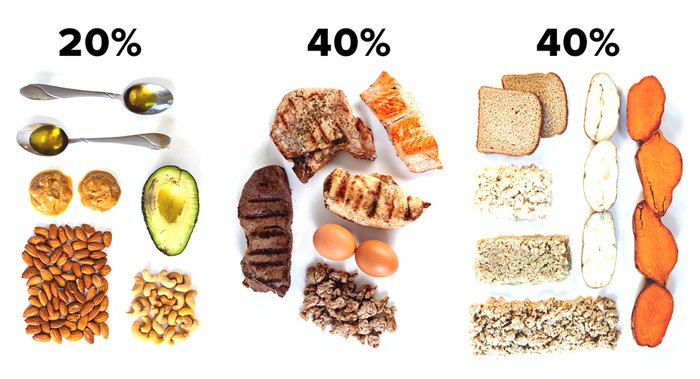 www.bodybuilding.commacros bodybuilding macro carbs diets
Pin On Keto
 www.pinterest.commacros guide diet calculator calculating macro carb mealpreponfleek weight loss cycling ultimate keto healthy choose board eating counting meal fat
Pin On Keto Macros
www.pinterest.comcalculate muscle protein macros weight calculator macro macronutrients loss diet meal plan building intake calculating nutrition daily ratio gain carb
Macros calculating meal mediterranean carbs calculator gain mealpreponfleek iifym galveston. Here’s the skinny on macros. Macros bodybuilding macro carbs diets